

Exploring The Future Of Branding
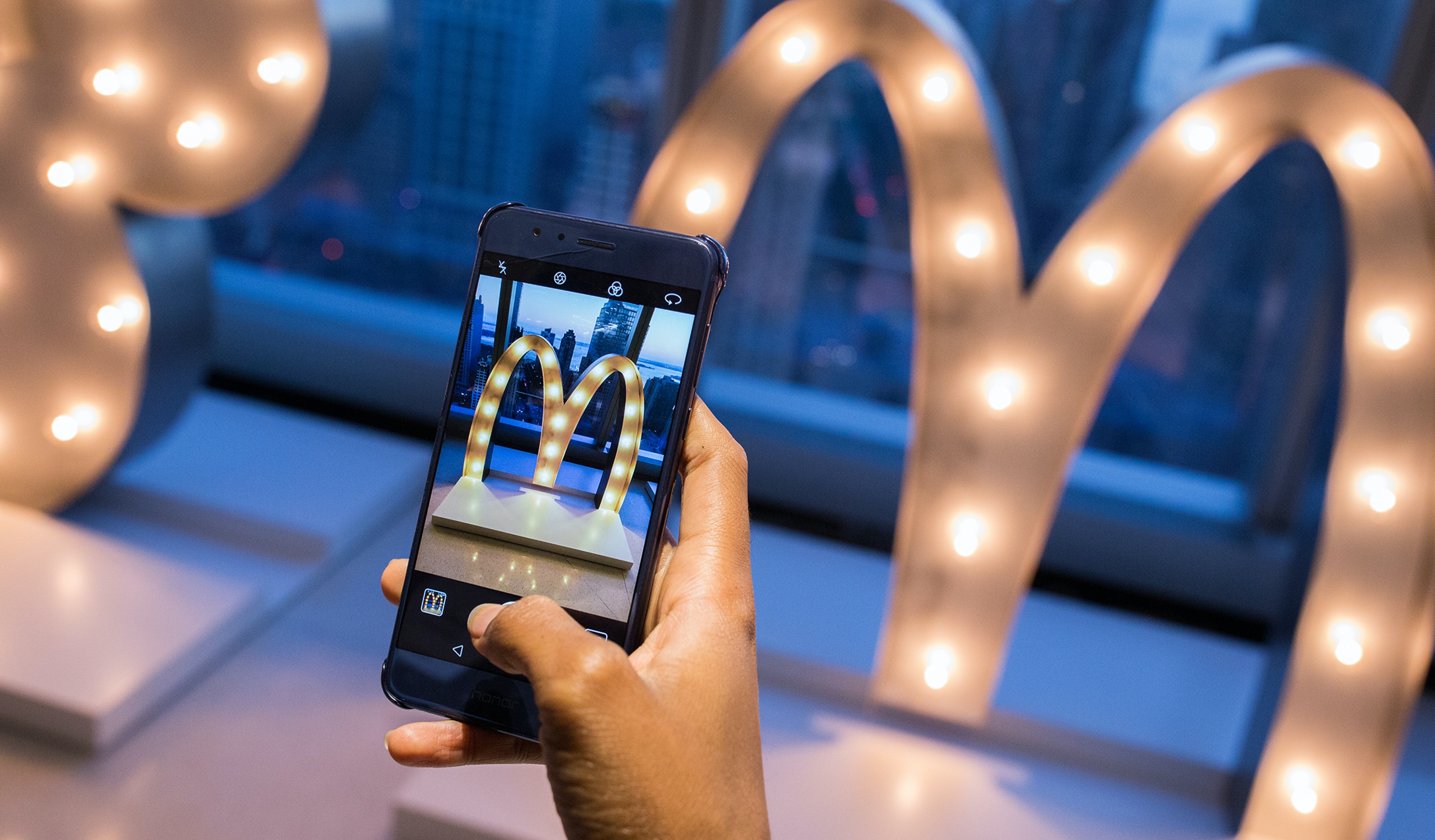
With the symbiotic rise of technology and consumer expectations increasingly disrupting standard branding practices, many businesses must rethink their strategy as we move toward a hyper-personalized, automated future. Brands are no longer a logo, color palette and kerning, but something much deeper, and the ones whose values resonate throughout every touch point will be best suited to adapt when virtual assistants, the Internet of Things and the whole gamut of impending technologies come knocking on our doors.
The inevitable hurdles of an increasingly technical ecosystem raise stimulating questions into how brands are to conduct business 10, 15 and 20 years from now. How can brands extract personal data for use in a transparent and noble manner? How will mass branding survive as customization becomes the norm in every aspect of life? And in an automated landscape, how do companies convince customers to put their lives behind the wheel of a driverless car?
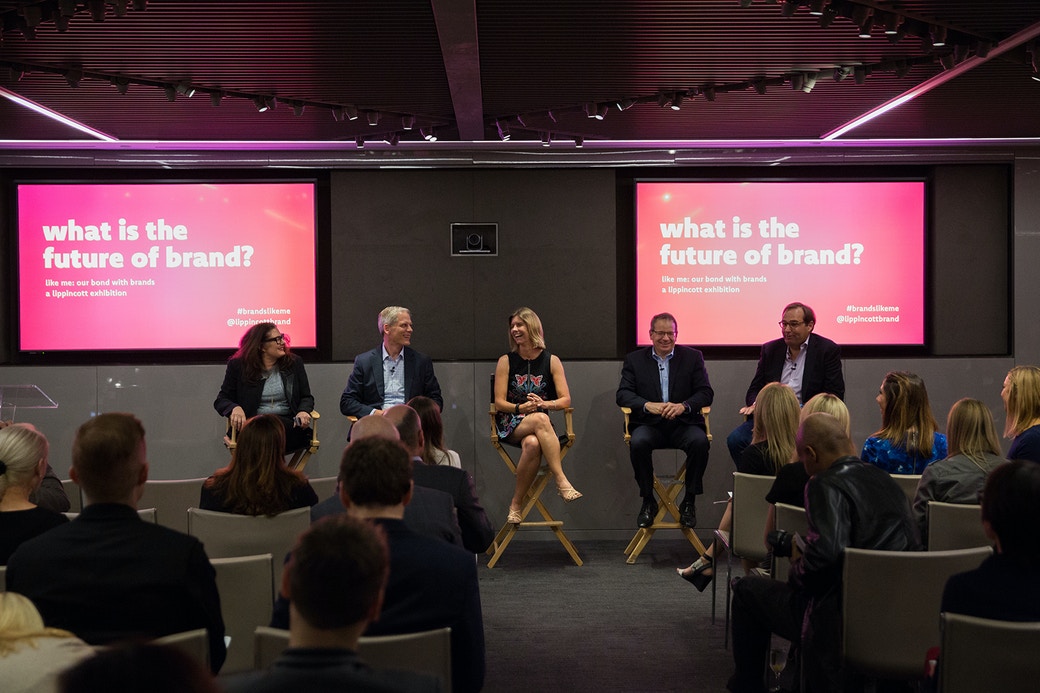
“When you walk through the world, you’ll be creating this massive cloud of data around you, ripe with insights for brands to deliver highly personalized content. Branding involves and distributes a sense of trust that feeds into decision-making and underscores certain values that’s impossible to replace on a qualitative level.”
— John Marshall, in an answer to the question ‘what single technology presents the most challenge/opportunity for brands moving forward?.’
Big Data will supply a more informed, and therefore more intimate relationship with the customer to reach them in the right place, at the right time and with the right content.
Indeed, leveraging the mountainous supply of data to inform interactions with individuals will better persuade consumers to choose Progressive over Geico or McDonald’s over Burger King, but it will also serve to transform longstanding organizations and startups alike on a fundamental level. To actually realize this point of ‘standardized customization,’ brands will have to balance the autonomous, data-centric technology that’s emerging with an authentic and human-like personality. As Gold put it best, “the line between B2B and B2C is dissipating, and in its place businesses must strive towards a B2i (business to individual) model.”
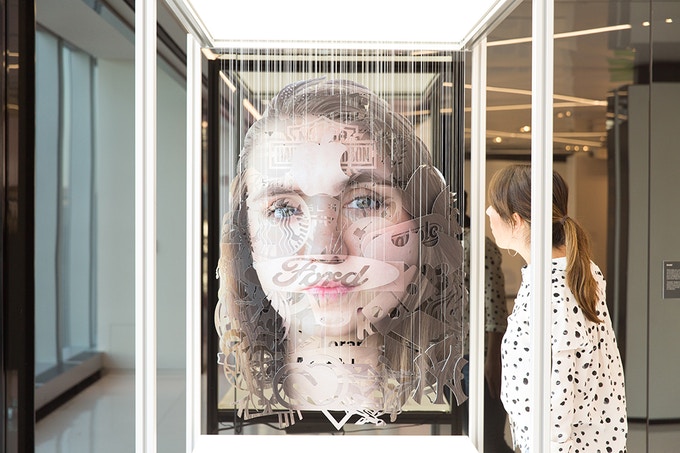
“Branded,” an original sculpture by Brooklyn-based artist Michael Murphy, asks the viewer to examine how, whether consciously or not, the brands we choose to embrace and believe in contribute to who we are.
There’s a certain participatory element between brand and consumer when an individual goes to design their own pair of Air Max’s. While he-she may know what they want their sneaker to look like, they don’t actually know, nor care to know certain details (such as what the midsole is made out of) — things that they trust Nike to take care of for them.
Similarly, in the era of mass 3D printing, when shoes won’t just be entirely your design, but will also be molded to your feet straight out of the box, Nike will have facilitated that process not because they’ll be the only ones doing it (they won’t be), but because they’ve established a culture of trust and innovation that has endured throughout a history of technological entries.
Read more here.