

10 Reasons Why Fortnite Is Designed For Success — And What You Can Learn From It
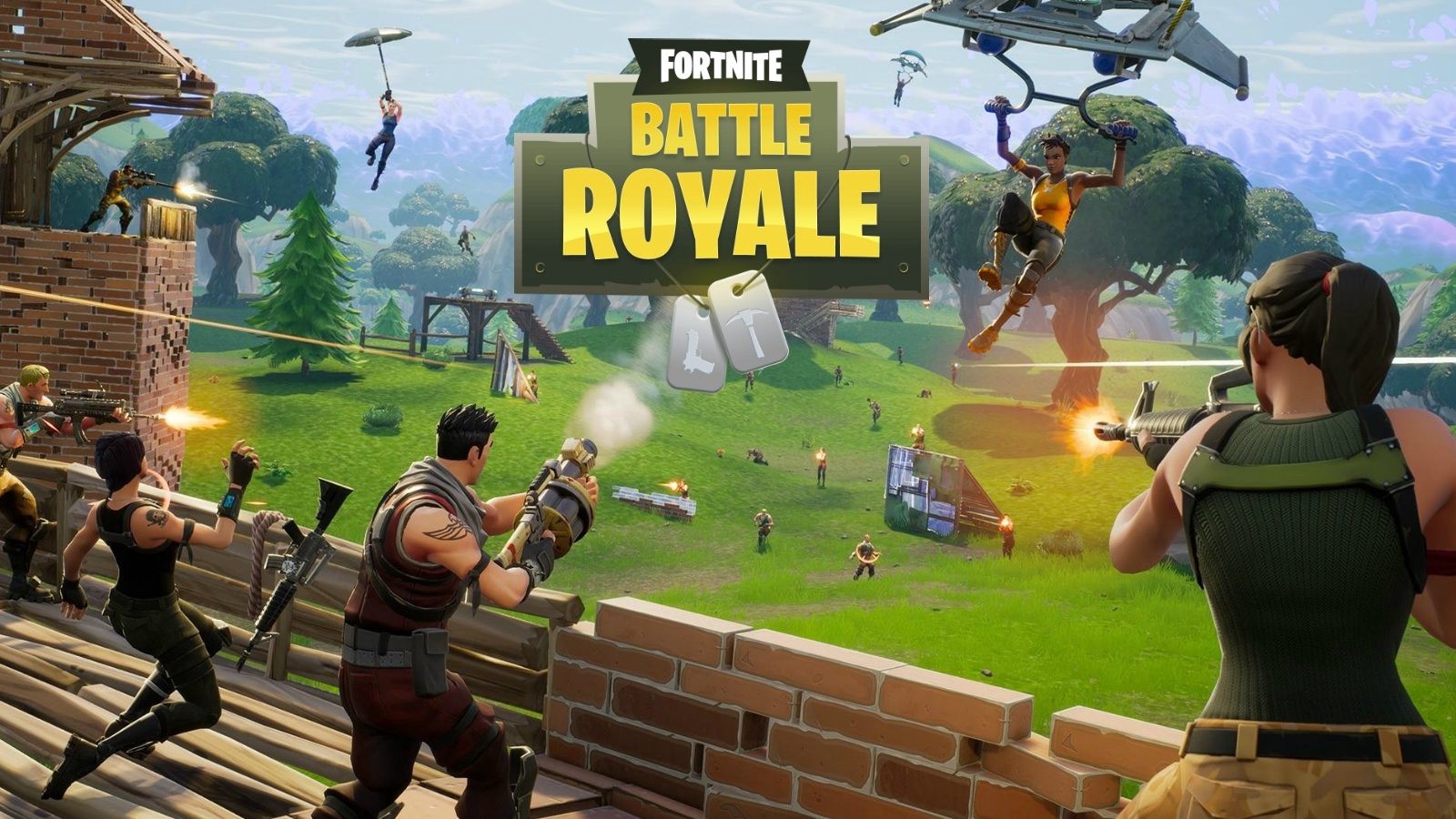
*Newsflash* if you haven’t heard of Fortnite by now, you’ve been living under a rock. Just type up ‘how many players’ and Google will autocomplete your search for you, ‘does Fortnite have?’
(The answer is over 40 active monthly players as of January, or a total 125 million and counting).
Inevitably, Epic Games, the company behind the bewilderingly successful videogame is raking in some serious cash — some $300million a month as of late. And the game has only recently made its way to China towards the end of April, so you can only imagine the kind of reception that’s to come.
Increasingly, parents are reporting losing their now insomniac children to the game, and some are even hopping on the bandwagon to see what all the rage is about. Memes are springing up of inattentive boyfriends ditching their S.O.’s for the game, pro-players are earning crazy bank, and most recently the World Health Organization (W.H.O.) announced the categorization of gaming as a potential addiction.
So what makes the game so popular? Simply put, its been designed for success. Few products, let alone video games, have struck such a cord with their audience.
Of course, if the numbers have anything to show for it, its that Fornite is no accident. While it surely wasn’t an overnight success, it did rise to fame quickly, and there’s no signs of slowing down anytime soon.
So without further ado, here are 10 Reasons Why Fortnite is Designed for Success — and What You Can Learn From It:
1. Following an Iterative Design Process
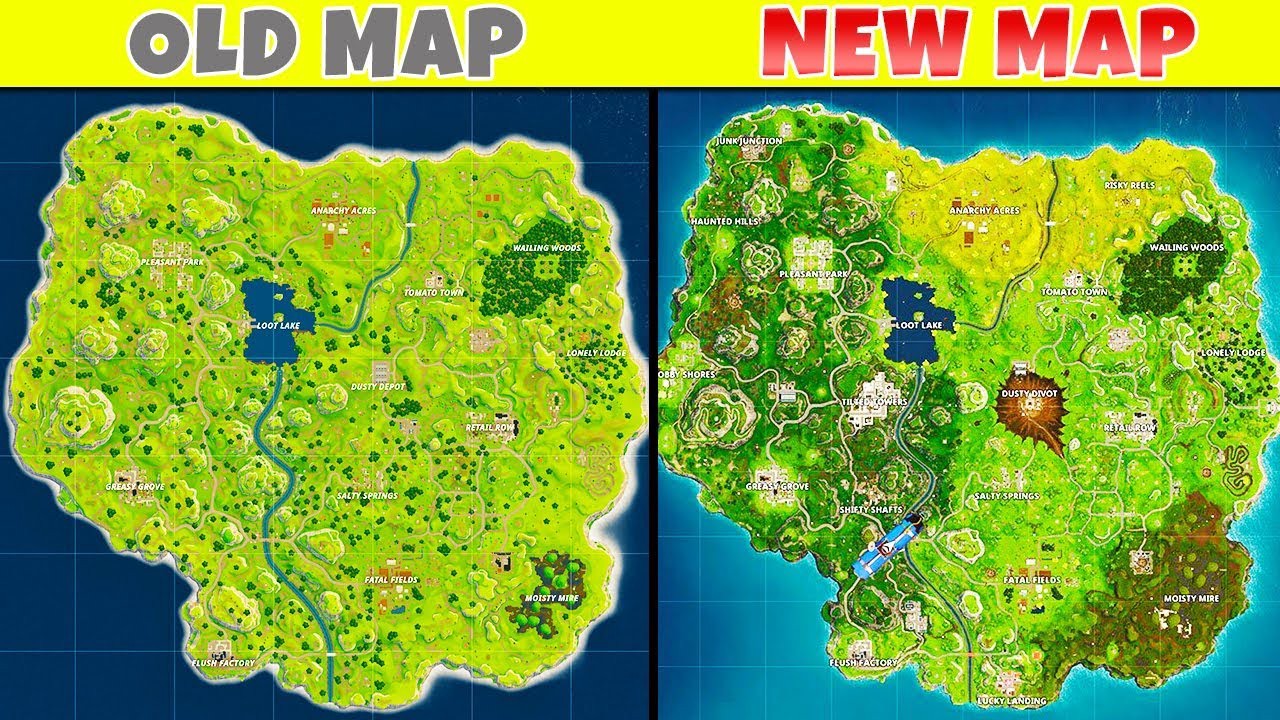
The Iterative Design Process is a simple yet powerful concept for validating and perfecting ideas. The process allows product designers to closely monitor the performance of each and every variable within their product to determine its effectiveness (or lack thereof). Therefore, in parallel to how users engage with a product, designers are able to make tweaks every step of the way (even after the product has launched) so that their design evolves over time to make for a better overall experience.
In Fortnite, virtually everything has been and still is subject to change. Over the years, publisher Epic Games has added in (and removed) different guns, items, parts of the map, game modes, characters, play mechanics, vehicles, and so forth. To call the game unrecognizable from its earlier version would be a lie, but it has evolved tremendously to what it is today piece by piece.
Takeaway:
Every week, Fortnite launches a new update with at least three new changes implemented. Though not all the changes survive, the addition of these action items in an easy-to-digest number (not too little, not too much at one time) allows the company to gauge the performance of these changes to assess whether they need to remove, update or keep the implementation as is. Under the pretext of different holidays, the game also makes contextual updates relevant to whats going on in the real world — see #3 (cultural relevance) and #9 (the FOMO effect).
2. Structuring A Collaborative Environment
From Peach to Vine to Friendster to Google+, the list of social networks that failed grows longer every year — but that doesn’t mean that the network effect died along with them.
“What people seem to agree on, whether they’re seasoned gamers or dorky dads, is that there’s something new emerging around Fortnite, a kind of mass social gathering, open to a much wider array of people than the games that came before. Its relative lack of wickedness — it seems to be mostly free of the misogyny and racism that afflict many other games and gaming communities — makes it more palatable to a broader audience, and this appeal both ameliorates and augments its addictive power.”
-Nick Paumgarten, How Fortnite Captured Teens’ Hearts and Minds, published in the New Yorker
While the game by all means falls under the ‘Battle Royale’ umbrella, an emergent genre of video games that pits up to 100 players against each other, its also managed to devise some clearcut (as well as more subtle) methods of creating a cooperative atmosphere.
One way the game does this is, in its most basic form, randomizing the skin (or character to those unfamiliar with the term) so as to be all inclusive: from match to match, players are randomly assigned the form of a black or asian woman, to a jocky blue-eyed blonde hair man, to any figure under the sun. As such, newcomers quickly come to realize that the only constant is change — few games that enable customization force players to assume the role of someone they don’t normally identify with.
Additionally, two of the three permanent game modes (doubles and teams), pit groups against each other as opposed to going solo. This drastically changes gameplay consideration as players are encouraged to share resources to increase their chances of surviving. The teams also happen to be even numbers at the start, making it easier to split off into sub-groups, distribute tasks or joining forces to take down a common enemy. And, when players take full damage, they get ‘downed’ rather than dying instantaneously, giving the remaining team members a chance to protect and revive them as their health starts dropping incrementally.
Moreover, a frequently recurring game mode, 50 v 50, further adds to the sense of unity Fortnite works so hard to build:
“In 50 v 50, players seem to go out of their way to assist strangers and with a borderline self-sacrificial altruism. Because you’re not playing for only yourself or for one or three other people — as is the case in solo or duo and squad games — 50 v 50 incentivizes players to revive complete strangers, gift weapons to spread the wealth of firepower, and otherwise be a nice human being and solid team player”
-Nick Statt, Fortnite’s 50 v 50 mode is teaching players how to be less selfish, published in The Verge
Lastly, the game is available on all major consoles, and even offers cross-play between PC, mobile and Xbox (sorry PS4 players — blame Sony), enabling friends with different devices and/or preferences to play with what they have available.
Takeaway:
Since the time before screen-based socializing has long come to pass, companies are now challenged with figuring out how to create communities in the digital age. Taking notes from Fortnite, some of the most effective ways to do just that involve building empathy by removing stigma/putting people in someone else’s shoes, purposely structuring teams in ways that afford easy collaboration, encouraging micro-losses for macro-gains and creating a cross-platform experience that translates smoothly across all screen sizes and interfaces.
Read on here.